

You know what is lovely? When a game gets announced. You hear nothing about it for a few months, then the next time they show up they are just like “yeah you can have it now”. That, my friends, is a rare treat these days.
We live in a world of distressingly early announcements – usually with a view to gain some public attention in order to leverage external investment before the game has even begun any sort of proper development. Drawn-out, years long marketing cycles. Six-month countdown of trailers, breakdowns, and developer diaries.
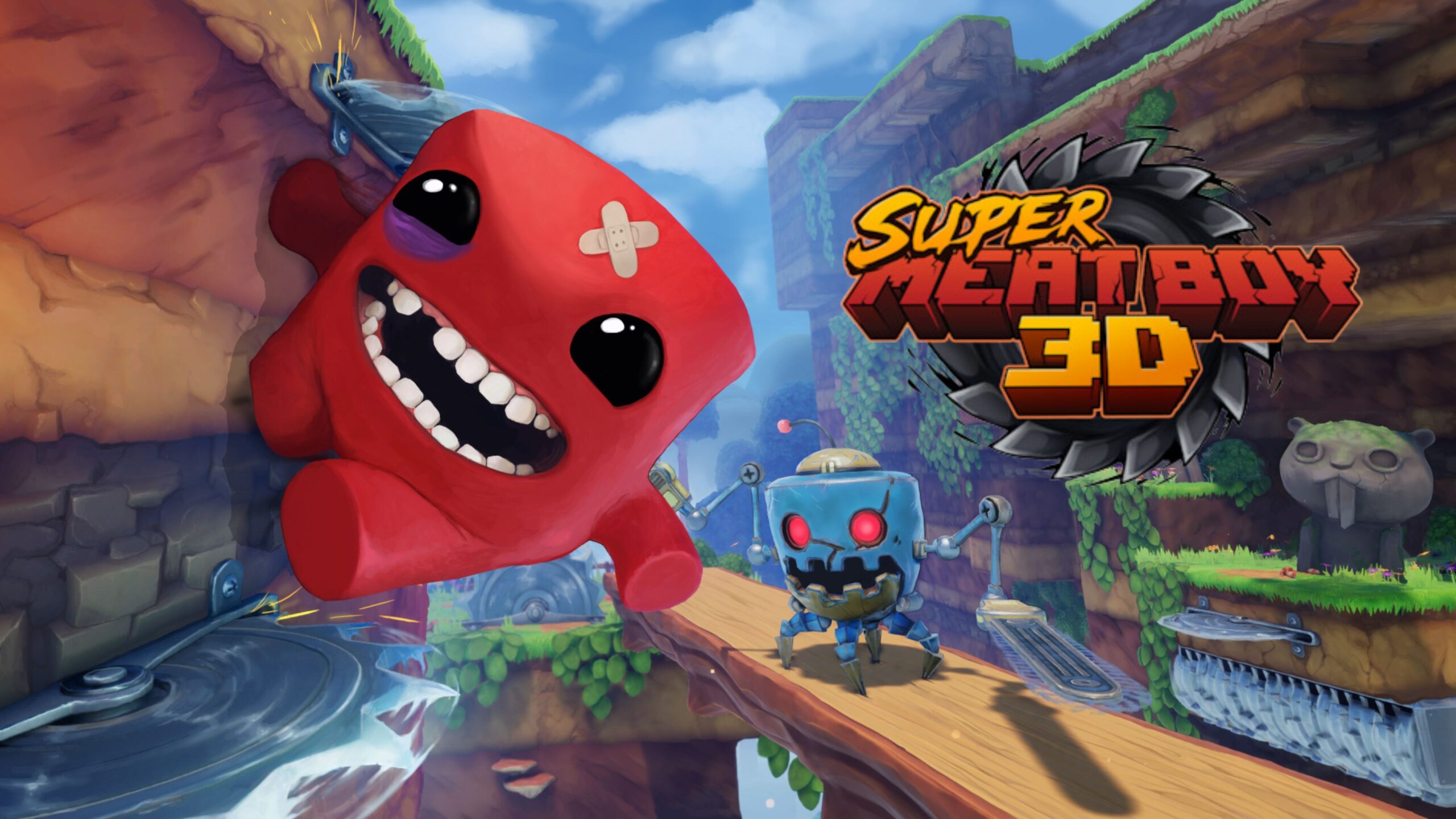
Super Meat Boy 3D though; Just a reveal during summer games fest. Then a couple of days ago, an announcement trailer that the game will be releasing THIS TUESDAY! The 31st of March 2026. Again, what a treat.
In an industry that’s become obsessed with building hype years in advance, this feels like a reminder of how things used to be.
Modern game marketing has become highly predictable and as a result, incredibly boring. By the time the game finally releases, it can feel like you’ve already seen everything it has to offer. That approach isn’t inherently bad, it works for some massive AAA titles that use the game’s story, mechanics and systems to actually sell the game. But it does come at a cost. Somewhere along the way, we’ve lost that sense of genuine surprise.
That’s what makes Super Meat Boy 3D’s surprise launch so refreshing. While the game itself had been known about since 2025, the actual release date landed with very little runway, especially considering how close it is to launch. The result is a completely different kind of excitement. Instead of endless speculation, the reaction is immediate and simple: This looks good, can’t wait to get my hands on it… and I don’t have to!
What makes this approach even more effective is how perfectly it aligns with what Super Meat Boy actually is. The original game was built around immediacy. You try, you fail, you restart, you try again.
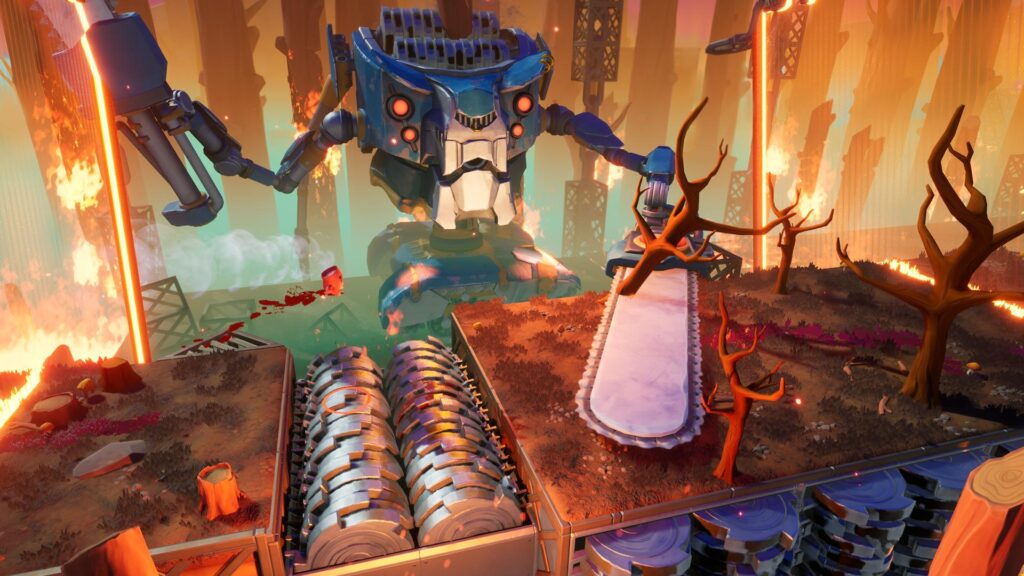
So what is Super Meat Boy? Released in 2010 on the now defunct Xbox Live Arcade service. Super Meat Boy was a brutally difficult, fast-paced 2D precision side-scroller. The success of Super Meat Boy is often seen as a defining moment for indie games, and it’s closely tied to the rise of Xbox Live Arcade. After its launch it quickly became both a critical and commercial hit, selling over one million copies across platforms and earning awards such as Best Downloadable Game of 2010 . For a title developed by just two people, this level of success demonstrated that small indie teams could compete on a global scale. XBLA played a crucial role in this shift, providing a digital storefront focused on smaller, lower-cost downloadable games, often priced under £20, and giving indie developers unprecedented visibility on a major console platform . Games like Super Meat Boy proved that audiences were hungry for creative, challenging experiences outside the traditional AAA space, and helped legitimise digital distribution as a viable path for indie success. In doing so, both the game and XBLA helped pave the way for the modern indie boom and the wider acceptance of downloadable titles as a core part of the gaming industry.
All sounds like good stuff right? Well, that’s the difficulty of keeping a franchise like this alive. When your first attempt is a genre defining success that literally paves the way for a whole sector of the industry to burst into life? How the hell do you follow that up? Well, you don’t. Admirably, Edmund McMillen and Tommy Refenes rode off into the sunset and basked in the glory of their success. They were still developing games separately but for all intents and purposes Super Meat Boy had been put to bed.

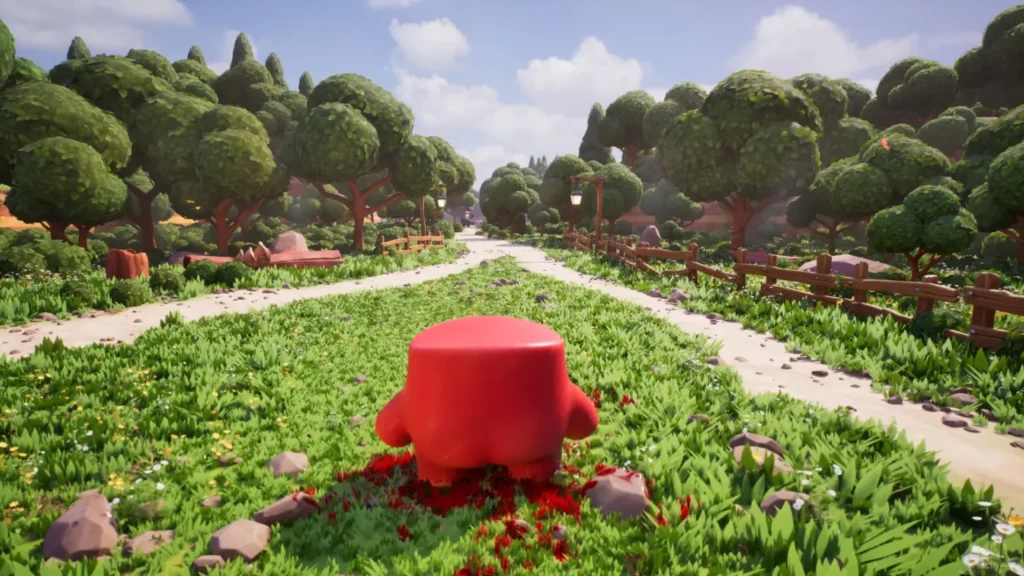
So let’s talk about the comeback! Just Tommy Refenes this time, and even then he isn’t exactly developing this game. Tommy is acting as more of a ‘creative overseer’ whilst the company Sluggerfly handles most of the development. That core philosophy hasn’t changed in the move to 3D though. The new game still centres on brutally precise platforming, instant deaths, and rapid retries, now translated into a fully three-dimensional space.
Even early impressions suggest that, against all odds, the transition actually works. The tight, punishing gameplay the series is known for seems intact, which is no small achievement considering how difficult it usually is to bring a 2D precision platformer into 3D without losing something essential.
And that’s what makes the release strategy feel so deliberate.
There’s also something bold about announcing a release date this close to launch. It suggests a level of confidence that you don’t always see, especially in a genre where expectations are so high. The original Super Meat Boy wasn’t just successful, it was foundational.
But instead of spending months trying to convince people it works, the developers are essentially taking a different approach. They’re letting the game speak for itself. Play it, experience it, and you decide if you like it.
It’s either exceptionally confident or it could be something else. Maybe the developer just doesn’t care? I mean, indie games have become such an important part of the gaming sphere these days, that the biggest ones receive the same hype and treatment as AAA games and it was Super Meat Boy that manifested this. Maybe Tommy Refenes doesn’t care for what a game release is “supposed” to look like. Maybe Tommy just wants to roll back the clock and put out a game on his own terms, the way he did in 2010. Why not? It worked for him the first time.
I don’t think anything encompasses this ideology more than the release date announcement trailer itself. This thing just screams of that early 2000’s video game marketing. It’s fun and fresh, yet nostalgic.
I don’t think this approach works for everything. Big-budget releases operate under completely different pressures, and for them, long marketing cycles are probably unavoidable. But for something like Super Meat Boy 3D, it feels like the perfect fit.
Because it cuts through the noise. It respects your attention. And it puts the focus back where it belongs… on actually playing the game.
And maybe that’s the real takeaway here.
Not just that Super Meat Boy 3D looks promising, or that its release strategy is refreshing, but that it highlights something the industry has been missing for a while.
That sense of immediacy. That feeling of discovery. A reminder of why you got excited about games in the first place.
Because that looks like a good time, and you get to jump straight into it.
Check out the the video version below!