

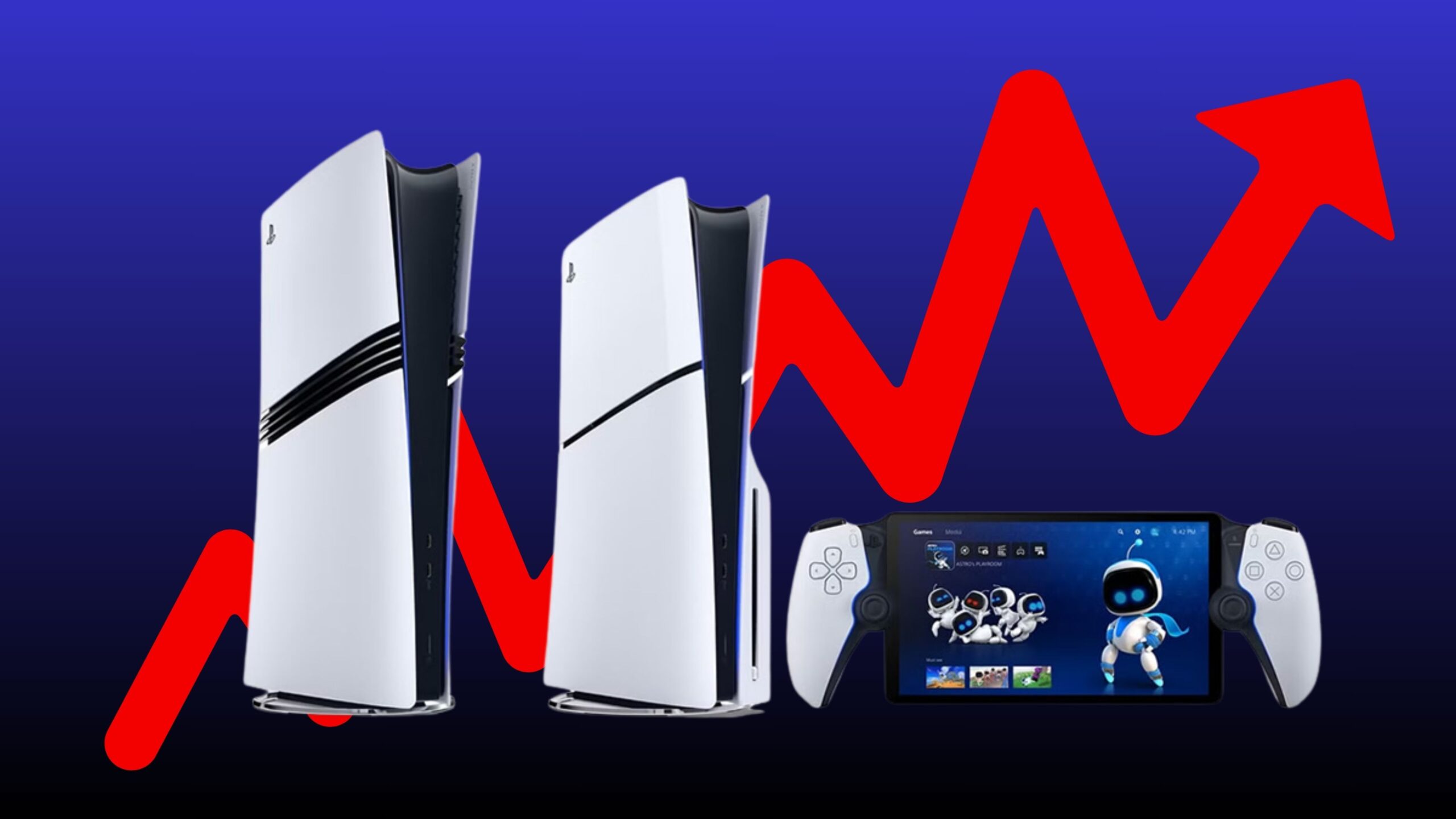
There was a time, not that long ago, when buying a console was simple. It was an easy enough transaction. There were only three real players in the gaming space. PC gaming was still seen as the “inaccessible” or “expensive” option. So you waited for the next PlayStation, Nintendo, or Xbox to release, and then you went out and bought one of them.
You paid your £450 (or less if you were lucky) and settled in for the next 7–8 years, knowing you’d made a solid investment. Prices might drop over time, bundles would sweeten the deal, and eventually late adopters would get in cheaper than early adopters.
That’s how it used to work.
But with Sony announcing yet another PS5 price increase in 2026, that entire model is starting to crack and I hate to be the bearer of bad news, but this is just the beginning of a “new normal”. Yep, that disgusting phrase that creeps up on us every time there is some form of technological or economic disaster.
It happened in the early 2000s after the dot-com bubble burst and the market crashed, leading to widespread bankruptcies. It happened in 2008 after the severe economic downturn that caused a global financial crisis. And most recently, the term was used to describe the new way of living in an inflated economy as a direct result of the COVID-19 pandemic.
Well, guess what? It’s happening again.
Traditionally, consoles get cheaper over time. That’s been the unwritten contract between platform holders and players for decades. Early adopters pay a premium, but everyone else benefits later, which is part of what made console gaming so accessible. For a long time, consoles were both premium and affordable.
The PS5 has flipped that on its head.
Since launch, we’ve seen multiple price increases: beginning with a global hike in 2022, followed by further rises in 2025, and now a significant jump of around $100 in 2026, pushing the console to roughly $649.99 in the US and around £569.99 in the UK. That’s not just unusual, it’s unprecedented.
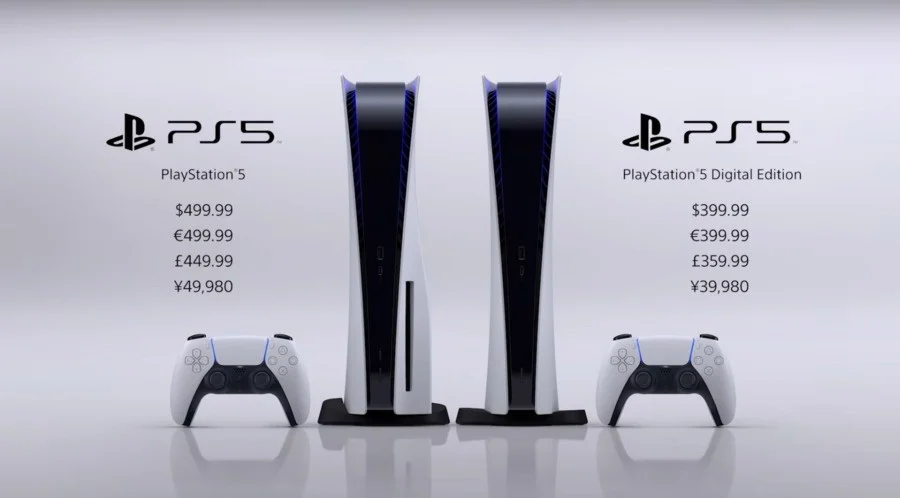
We’re now in a situation where buying a PS5 later is actually more expensive than buying one at launch, which fundamentally changes how people engage with console gaming. Worryingly, it could be the deciding factor in whether people engage with console gaming at all.
Over the past decade, PC gaming has transformed from a niche enthusiast hobby into the most accessible, affordable, and arguably premium way to play, driven by a combination of technological and industry shifts.
Digital storefronts like Steam revolutionised distribution by making games cheaper and more widely available through frequent sales and a massive global library, lowering the barrier to entry for players worldwide. At the same time, hardware has become more scalable and cost-efficient, with entry-level gaming PCs and laptops growing rapidly and offering strong performance at lower price points, while still allowing upgrades over time.
In very simple terms, when modern graphics outgrow my PC, I can simply upgrade my graphics card without having to buy a new system entirely.
Advances in GPUs and CPUs have also pushed PC performance far beyond consoles, establishing it as the “premium” platform for higher frame rates, better visuals, and customisation. Meanwhile, the explosion of esports, streaming, and cross-platform play has expanded PC gaming’s audience and relevance, contributing to a market that has grown dramatically in value and user base over the last 10 years.
Together, these factors have made PC gaming not only more accessible and affordable than ever, but also the preferred platform for players seeking the best overall experience.
Well… for now.
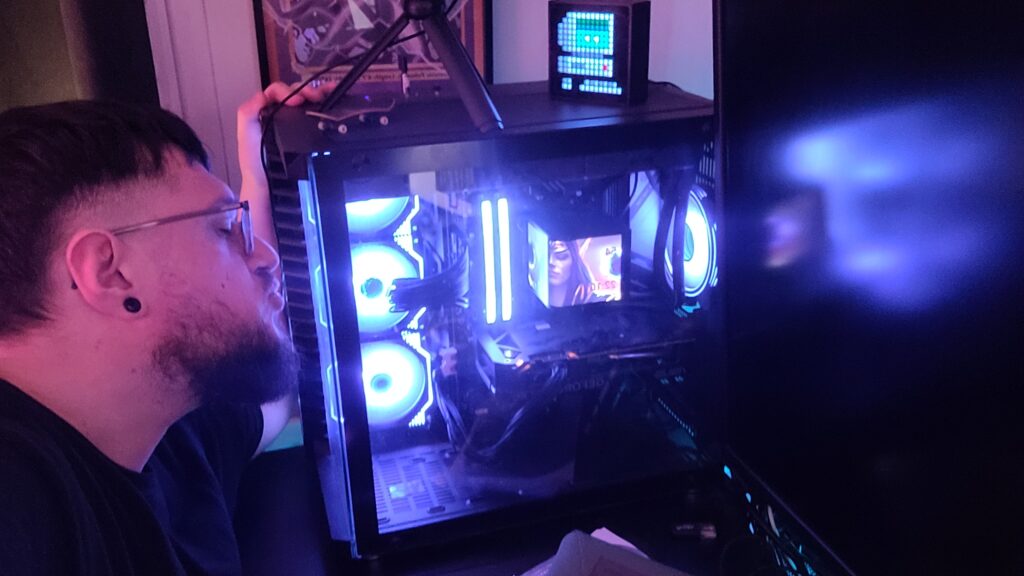
You see, in fairness to Sony, they aren’t just making these decisions for the sake of it. The reasoning, at least on paper, is understandable. The cost of memory chips has surged dramatically, largely driven by demand from the AI sector, while global inflation and ongoing supply chain issues have only added to the pressure. Even geopolitical factors have played a role, with disruptions to key materials like helium affecting semiconductor production. All of this paints a clear picture: it is genuinely more expensive to manufacture a console in 2026 than it was in 2020.
But here’s the issue: understanding why something is happening doesn’t automatically make it acceptable.
The only thing that has really changed is who is being asked to absorb those costs… us.
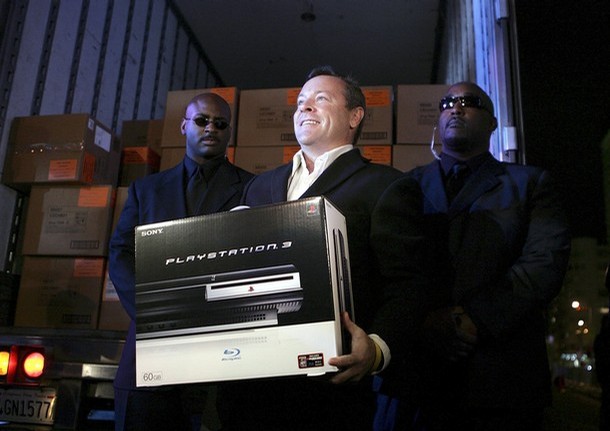
Historically, console manufacturers were willing to take a hit on hardware because they made their money back through software sales, subscriptions, and the broader ecosystem. The PS3 was probably the most significant example of this. The console in the US was being sold for $499 but actually cost over $800 per unit to manufacture. There is no good reason that model still exists, but now it feels like the balance has shifted. Instead of shielding players from rising costs, companies are passing those increases directly onto them.
And it doesn’t stop with the console itself.
Games are creeping towards £70 or even £80, subscription services are getting more expensive, and accessories are rarely cheap anymore. All that is to say that, on the whole, the games industry is actually making more money than it ever has. Video game revenue is at its highest point in history, experiencing an average of 7.5% growth every single year.
So do you know what that means, gamers?
It means that the rising costs of manufacturing are what we call in the UK “a right load of old codswallop”.
You might imagine me sat here with my tin foil hat on. Unfortunately not, this isn’t a conspiracy, it’s fact.
The gaming industry is turning over more profit than it ever has before, but instead of spending some of that monumental profit on maintaining a cost-effective gaming economy for the average consumer, they are instead asking you and me to shoulder the burden of the rising cost of technology.
Technology which, by the way, is being used to produce stuff like this…

What makes this even more concerning is the timing. We’re well past the midpoint of the PS5’s lifecycle, and this is typically the stage where prices begin to drop to attract late adopters. Instead, Sony is doing the opposite.
When consoles stop being the “affordable” option, their entire value proposition starts to shift. We’re already seeing more interest in PC gaming, a stronger second-hand market, and growing curiosity around cloud-based services. For years, consoles were the easiest and most cost-effective way to get into gaming.
Now, if a PS5 is edging towards £600 or more, the gap between console and PC doesn’t feel quite as wide as it once did and when a PC can double as a work machine, a creative tool, and a gaming platform, the argument becomes a lot more complicated.
The bigger concern, though, is what this means for the future.
If Sony can raise prices multiple times during a single console generation and the market accepts it, there’s very little stopping this from becoming , the dirt word, the “new normal”.
Analysts are already suggesting that the next generation of consoles could launch at significantly higher prices, potentially approaching or even exceeding $1,000. That’s a staggering shift from where we were just a few years ago. Combined with ongoing component shortages and economic instability, we could be looking at longer console generations, higher entry costs, and fewer accessible entry points for new players.
And that’s where this stops being just about the PS5.
Because if consoles don’t get cheaper over time, if prices continue to rise mid-generation, and if the barrier to entry keeps climbing, then something fundamental has changed about gaming as a whole.
Remember, this is the third price hike of this generation. Maybe it’s on us for not taking a stand sooner.
It feels like one of those turning points that we only fully understand in hindsight. The kind of shift that quietly redefines an industry. So maybe the real question isn’t whether the PS5 price hike is justified.
It’s this:
If consoles are no longer the affordable way to play… what are they, exactly?