

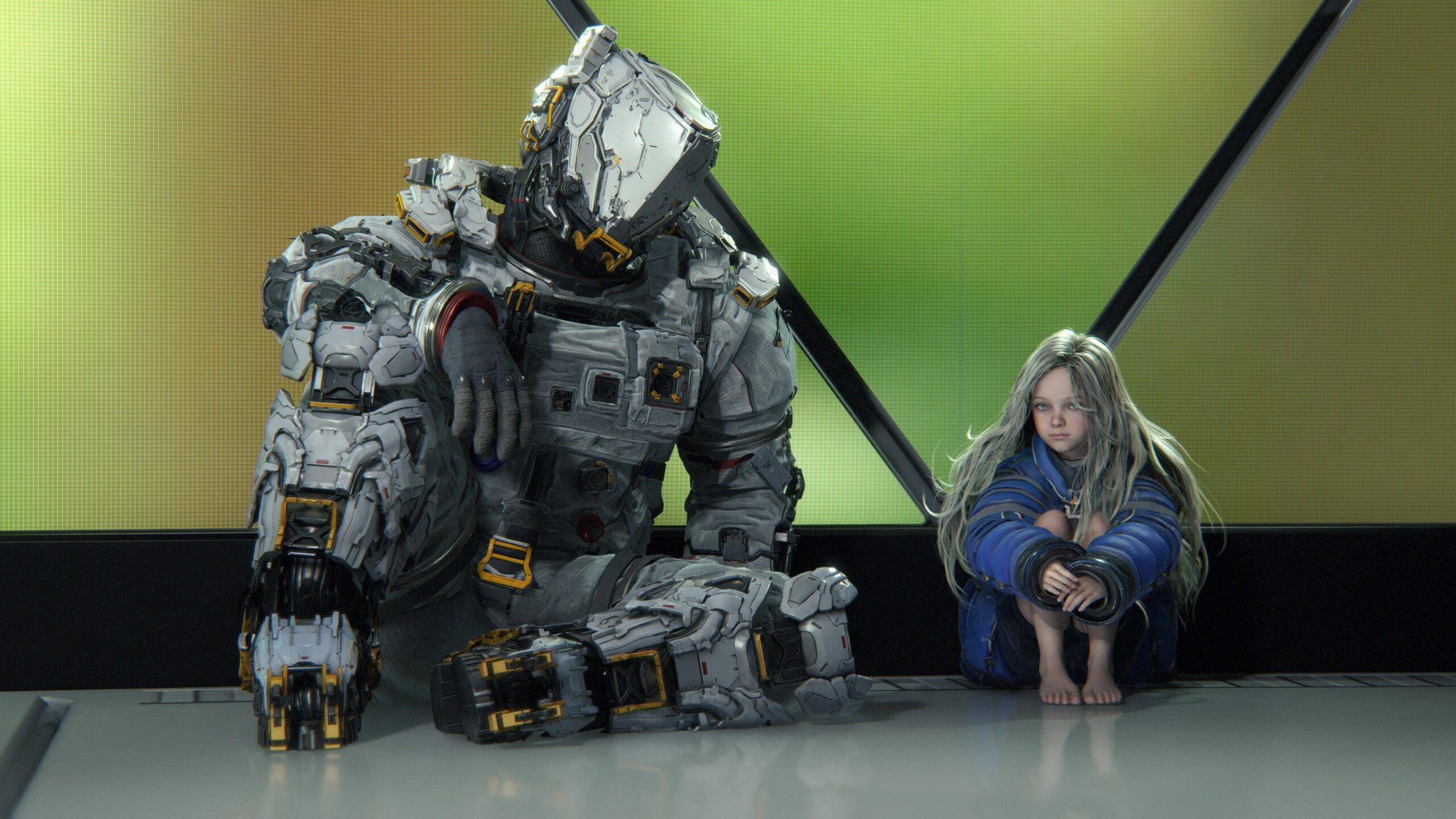
What the hell is Pragmata? Just a few short days away from its release. We even got a playable demo, and yet many are still asking the question. What the hell is Pragmata?
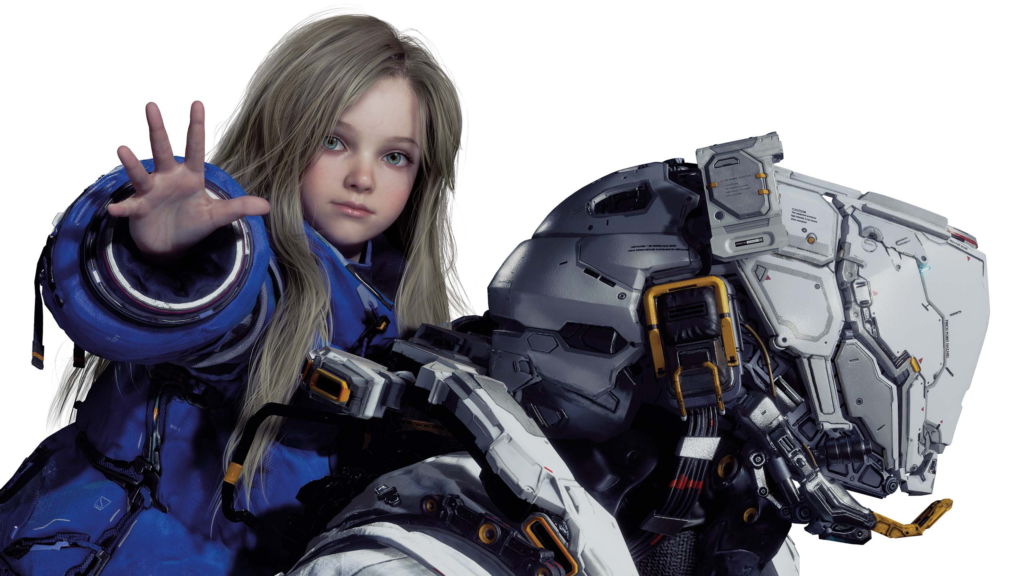
Well, what we do know is that Pragmata is an all-new science-fiction action-adventure from Capcom. This is a brand new mainline franchise from the gaming gods since the introduction of the Dragons Dogma series in 2012. Pragmata is built around a “two-in-one” design: the player controls Hugh who takes care of combat and mobility, whilst your android companion Diana takes care of hacking and puzzling. Pragmata promises to blend third-person shooting and a real-time hacking puzzle layer into a single combat loop. If that sounds like a lot to contend with, then we share the same fears. It’s an ambitious idea, but with ambition comes risk. Hybrid systems, narrative-heavy design, and technical expectations all raise the bar of expectation.
Nonetheless, after years of mystery, delays, and carefully drip-fed reveals, Pragmata is finally starting to take shape. So here are eight things we’d love to see Pragmata get right when it finally lands.
8. A Highly Customisable Hacking UI and Accessibility Suite
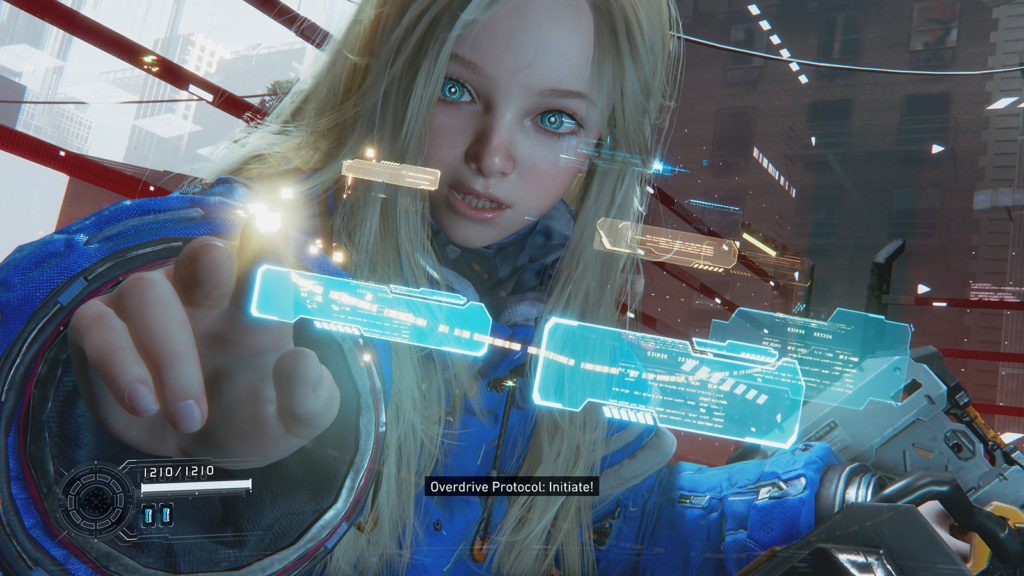
At the heart of the Pragmata gameplay loop is multitasking under pressure. Aiming, moving, and solving hacking puzzles simultaneously. That’s exciting, but it also risks overwhelming players. Combat and puzzle solving in the same game is hardly pioneering, but it is rare to see both systems built into a single gameplay loop. Capcom have tried the whole, control two characters at the same time thing in Resident Evil Zero and lets just put it like this. I don’t think Resident Evil Zero is anyone’s favourite game.
The hole Capcom have dug for themselves is ensuring the two-in-one gameplay loop does not come at the expense of a smooth playing experience. Modern AAA games come with a certain level of expectation and if that expectation is not met the internet will inevitably eat this game alive like a pack of wild dogs.
So how can Capcom ensure that gameplay is not too overwhelming? A robust accessibility suite would make a huge difference here: difficulty sliders, input remapping, and even optional puzzle slowdowns. Giving players control over readability and pacing would make the core loop far more sustainable, especially over longer sessions.
7. Buildcraft That Actually Matters in the Endgame
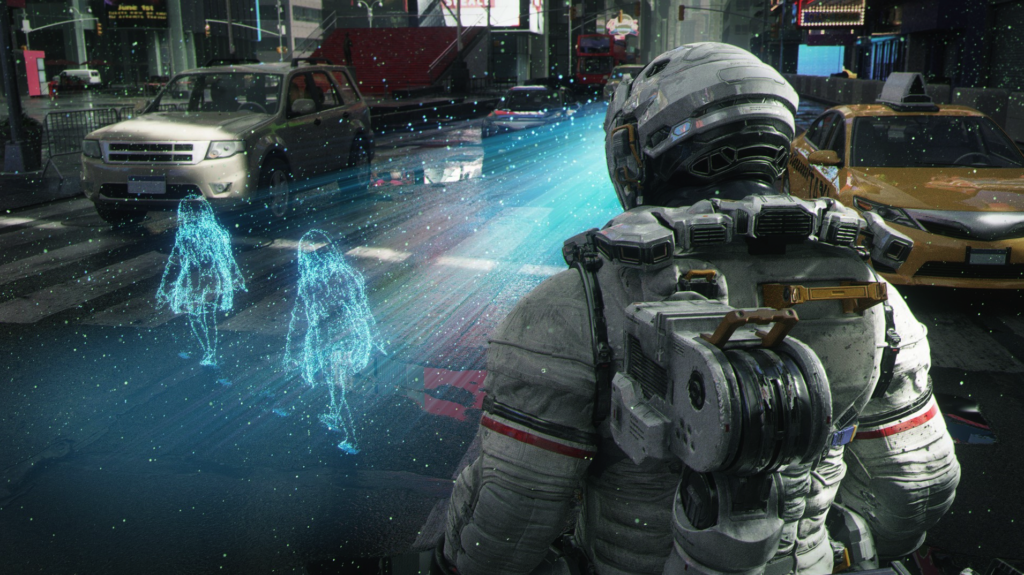
Capcom has hinted that hacking can eventually outscale gunplay, which opens the door to genuinely diverse builds. Do you want combat to be your main source of damage or do you want hacking to be that? The idea of being able to choose your play style is an RPG’ers wet dream and something we have seen Capcom do very well in games like Monster Hunter and Dragons Dogma. So the key here is ensuring that this doesn’t collapse into a single dominant strategy.
We want to see distinct hacking-focused and combat-focused archetypes with real trade-offs not just minor stat tweaks. If done right, players could approach the same encounter in completely different ways, even late into the game. If done really well it will literally dictate how the end of the game plays out, maybe even effecting actual story beats, Mass Effect style.
6. Enemy Design That Justifies the Hybrid Gameplay
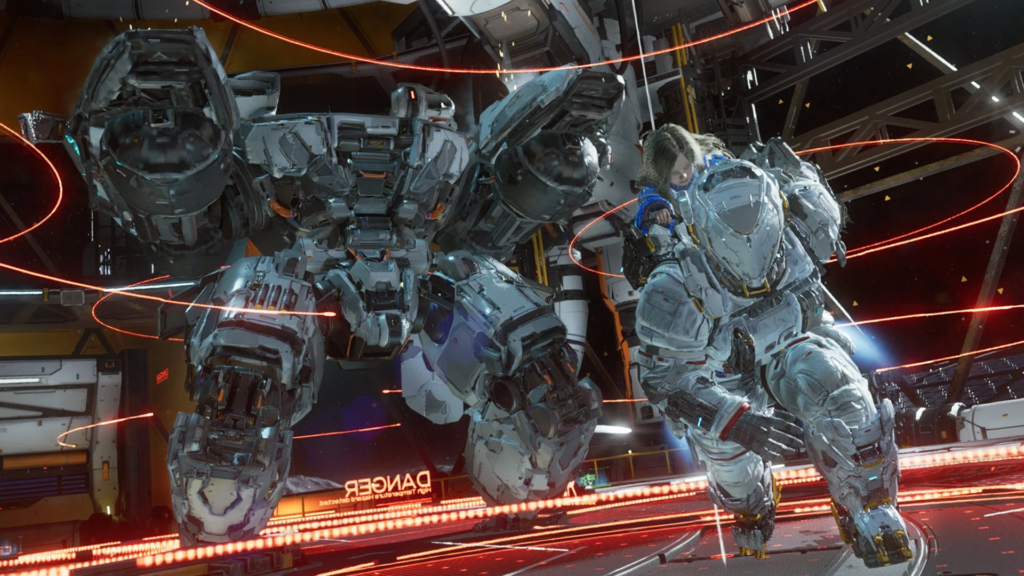
Hybrid mechanics can easily fall into one of two traps: redundancy or obligation. This sort of thing pops up in games all the time. Either one system becomes clearly better, or the other feels like forced busywork.
The solution? Diverse enemy design. Thoughtful enemy archetypes, ones that naturally encourage switching between hacking and shooting. That is the difference between a gimmick and actual tactical and rewarding gameplay.
5. A Campaign That Knows When to Breathe
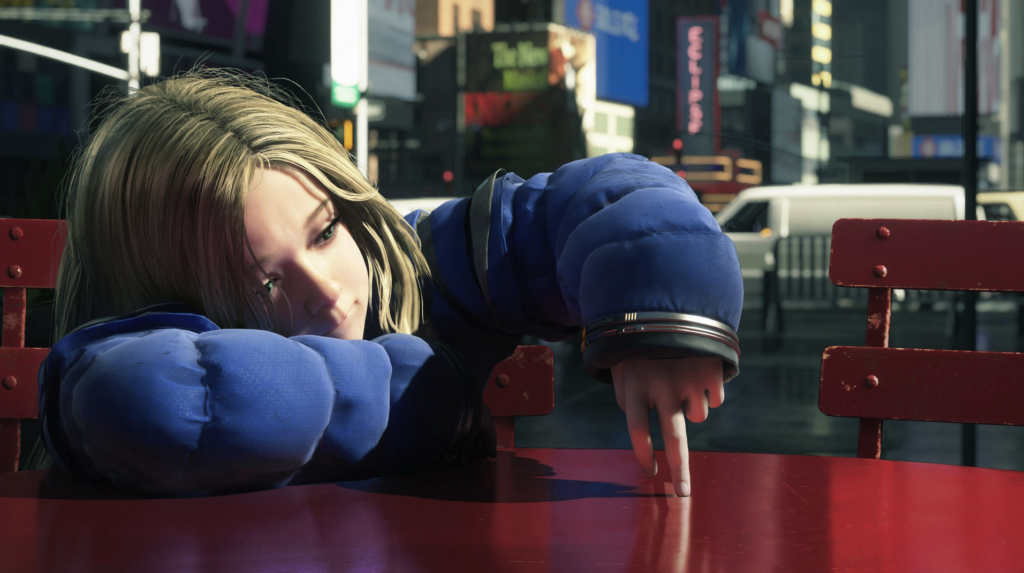
In my personal opinion, Capcom’s Resident Evil series is a masterclass of gameplay pacing. The games ebb and flow between arse-cheek clenching fear, all out action warfare and moments that let players catch their breath. Pragmata has a different challenge in that if every encounter demands full concentration, fatigue is inevitable. Pragmata’s Moon setting and Shelter hub feel like perfect opportunities to slow things down.
We’d love to see quieter stretches of exploration, environmental storytelling, and tonal contrast between high-intensity combat and reflective downtime. If done right, that rhythm is what will make the game a memorable experience and keep players coming back.
4. A Story Built Through Play, Not Just Cutscenes
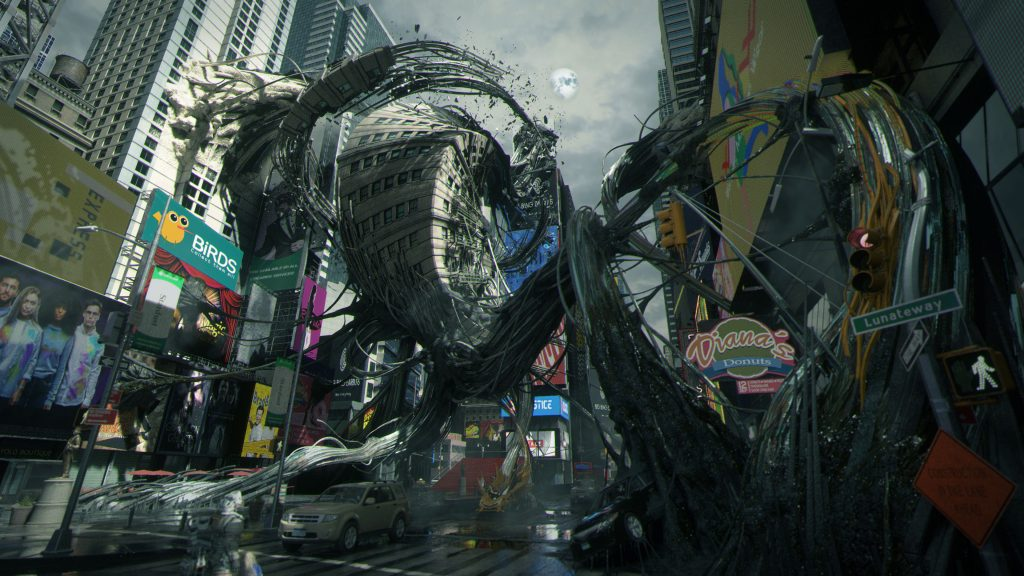
The emotional hook of Pragmata is the bond between Hugh and Diana. But for that relationship to land, we want to see it exist beyond cinematics. Two series that spring to mind when I think of games that do this masterfully are The Last of Us and Red Dead Redemption. Both of those games allow storytelling through in game interactions. Carrying around Diana on your back feels like the perfect opportunity to build that relationship in game.
Small, systemic interactions, maybe in the Shelter hub or during traversal. These will serve to make Diana feel like a true companion rather than just a gameplay mechanic. The more the player participates in that relationship, the stronger the payoff will be.
3. Controls That Feel Great on Every Platform
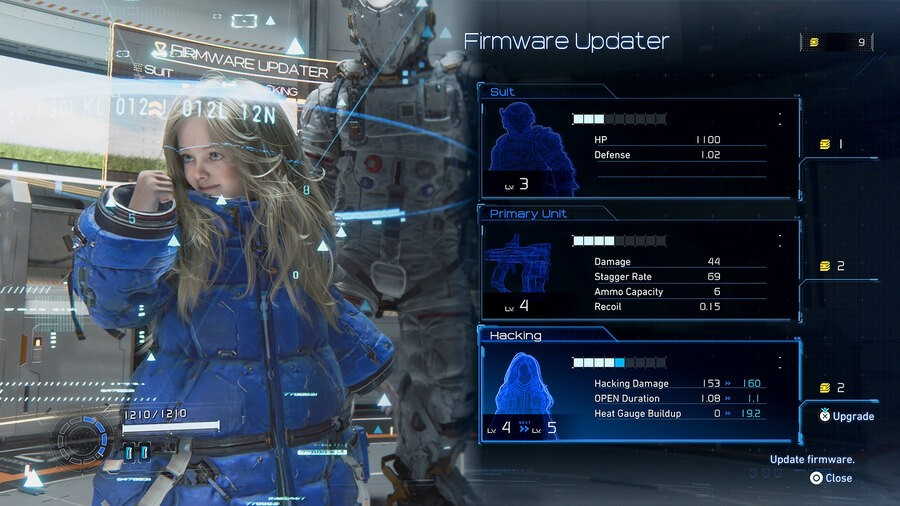
By now I’ve harped on enough about the dual mechanics in the game. Balancing shooting and hacking is already a design challenge, but making it feel equally good on controller and mouse-and-keyboard is another layer entirely.
Capcom has already used early demos to test PC controls, which is promising. But the final game needs to ensure that both input methods feel natural, responsive, and equally viable. It sounds like an obvious thing to request but you would be surprised how many games get this completely wrong.
2. A “Comfort-First” Performance Standard at Launch
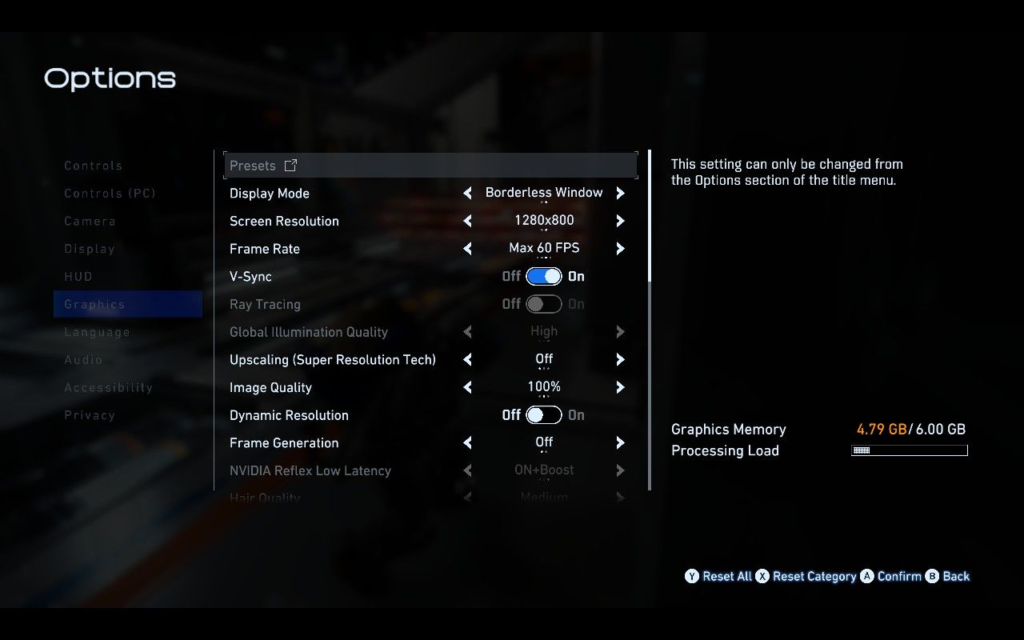
After such a long development cycle, expectations are high. Some would even say Capcom have even been intentionally secretive about the game as a whole. We got a demo last year which really raised more questions than it did answers. The demo had notable performance issues. Particularly for PC players. Reports of stuttering, frame generation crashes, and issues with ray tracing. While some users experienced high-performance, smooth gameplay reaching over 100 frames per second on high-end hardware with upscaling, many others reported hard-stuck low frame rates and severe stuttering. Therefore, performance will shape first impressions more than anything else. If people can’t even run the game, they won’t waste their time getting to experience all the good that the gameplay and story may have to offer.
Stable frame pacing, sensible default settings, and minimal traversal stutter should be the baseline. If Pragmata launches in a technically solid state, it will likely be the deciding factor on if the game sinks or floats in its early reviews.
1. Meaningful Challenge Modes or New Game+
We are already pretty sure that Pragmata is going to be a tightly designed story driven experience and therefore is unlikely to include much if any ‘post game’ content. That being said, the hacking-node system sounds perfect for replayability. So we want to see Capcom lean into that.
A well-designed New Game+ or set of challenge modes that remix enemy layouts and hacking strategies could dramatically extend the game’s lifespan. Done right, this wouldn’t need to rely on live-service elements but rather the intelligent reuse of existing systems.
Pragmata has the potential to be something genuinely special, and in the current Capcom ‘golden-era’ it would be nothing less than we expect. On paper this game is attempting a bold mix of action, strategy, and emotional storytelling delivered in a unique style. But that uniqueness also means there’s very little room for compromise.
If Capcom can deliver on the promise of its hybrid gameplay, support it with strong pacing and performance, and communicate clearly with players along the way, Pragmata could end up being a strong new branch on an ever growing tree of fantastic game franchises for Capcom.
Right now, it’s a question of execution, and that’s what makes it so exciting.
 VGT-Skyf