

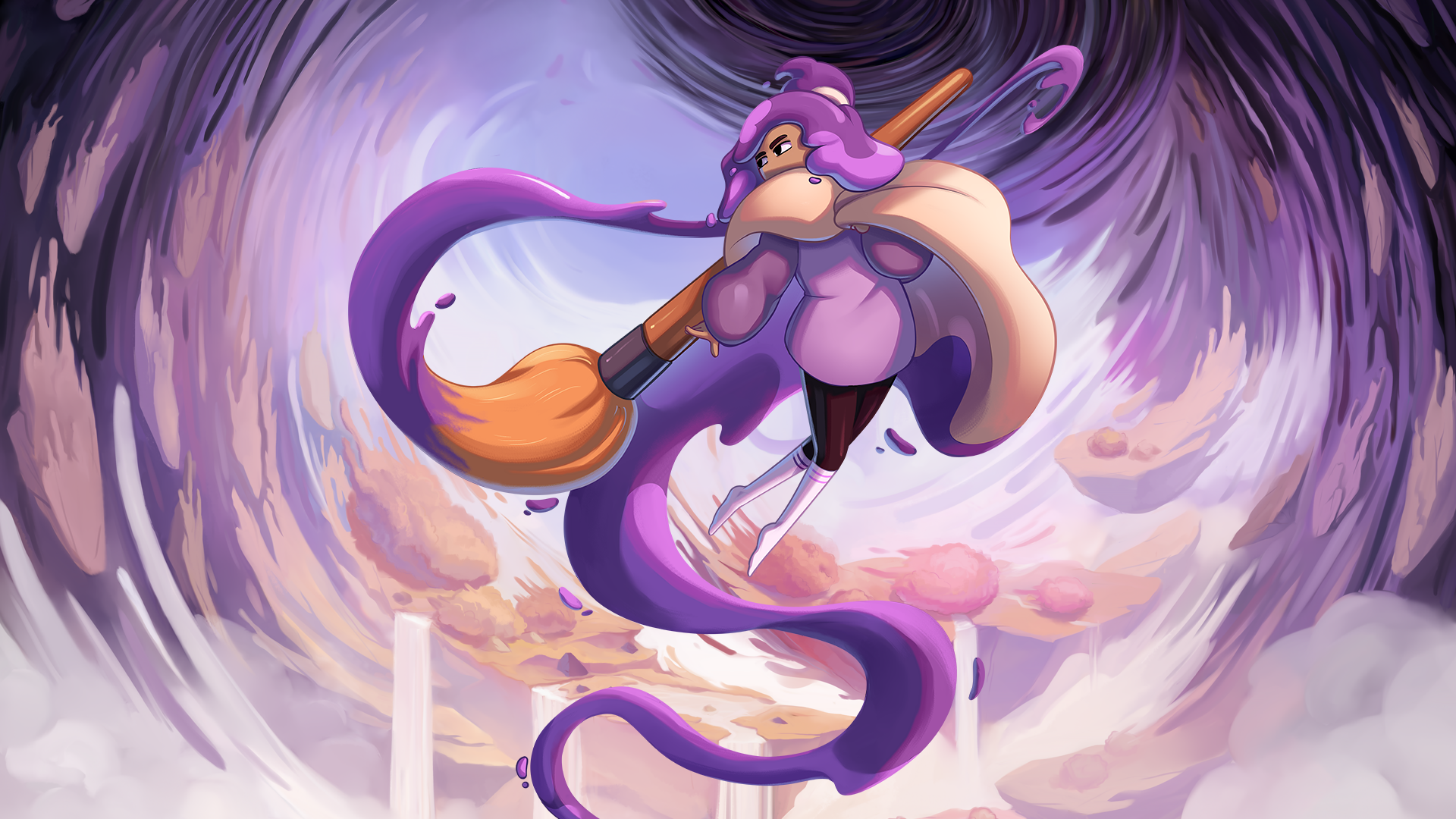
I must admit, the release of Constance on PC last year completely passed me by. Pretty surprising considering these kinds of games are irresistible to me. Yet it appears I hadn’t done my due diligence because the console release of Constance popped out of nowhere like a collectable I wasn’t looking for.
You will not hear me complaining about a surprise 2D hand-drawn metroidvania. Especially one that promises an emotional hook like Constance. Some of my favourite gaming experiences have come from Constance‘s close cousins in the likes of the Ori series and Nine Sols. Games that cross-pollinate emotion and exhilaration into a single tasty little package. And never mind Cinstance’s cousins, I couldn’t sit here in good faith and not mention her older sister, Celeste. It’s one of my favourite games of all time and is a masterclass in addictive gameplay and emotional storytelling. The best part about it is how it delivers the message to the players. I could talk about Celeste all day. Maybe someday I will, but today we are here to talk about Constance. A game that wears its influence on its sleeve, but does it hold up against the greats of the genre?
Constance sets its tone early. It’s a quiet, reflective game that explores something deeper and more personal. Constance doesn’t want to tell you a story. It wants you to connect intrinsically with its message, one told through metaphor. You play as an artist navigating a fractured version of her own mind, with environments and mechanics shaped around themes like burnout, anxiety, and creative pressure. Something most of us will share at least some personal connection to.
Its premise could easily feel heavy-handed. For the most part, it doesn’t.
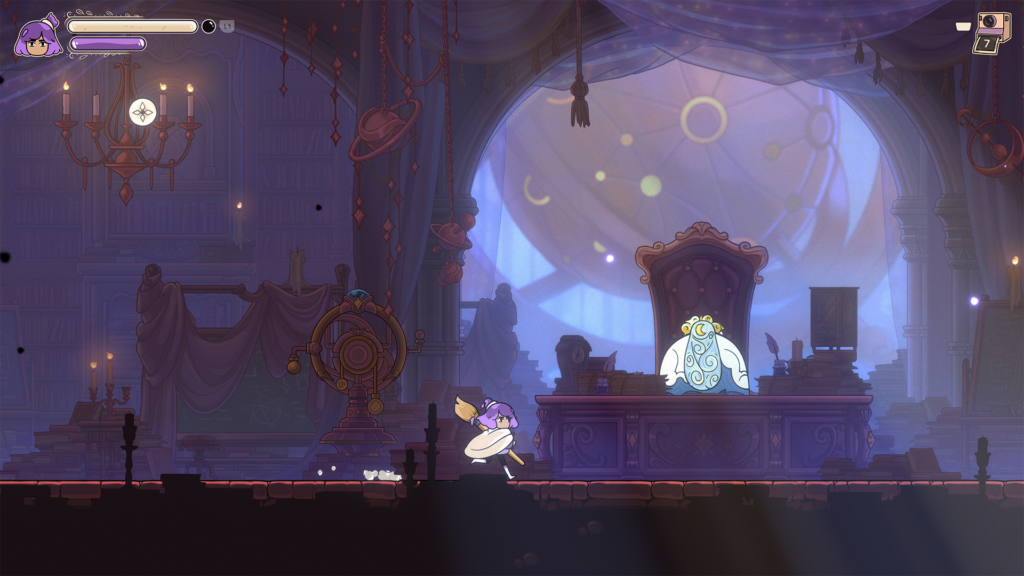
What stood out for me right away is how nicely everything fits together. The visuals, music, and gameplay all support the same direction. The world is colourful but unstable, shifting in ways that mirror the character’s state of mind. It isn’t just a backdrop; it actively contributes to the story.
But importantly, it’s not all style. Indie games with such a strong thematic identity have a tendency to lean into that theme too heavily and leave the gameplay behind. I’m happy to report, though, that underneath Constace’s presentation is a very solid Metroidvania.
Movement is the absolute highlight of the game for me. Movement in Constance is smooth and dependable, with controls that respond quickly and behave exactly as you expect. It sounds like this should be a simple fundamental of a Metroidvania, but actually, it’s a very delicate art that takes considerable fine-tuning to perfect. Celeste is my all-time number 1 for getting this right. Surprisingly, Constance’s movement is right up there with the greats!
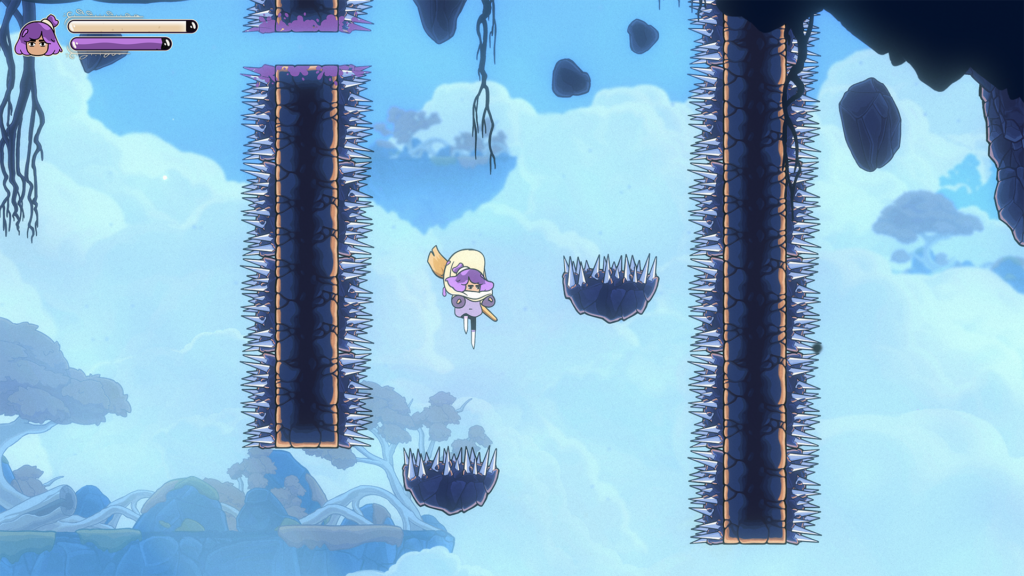
Traversal is built around precision, but it rarely feels punishing, allowing you to move through platforming sections with a steady sense of control. As new abilities are introduced, the movement becomes more expressive, letting you link dashes and jumps into longer sequences that flow naturally. This gives the game a strong sense of momentum, where navigating each area feels like a continuous action, and suddenly, mid-game, it clicked. Constance movement is meant to feel like the smooth flow of a paintbrush. It’s a nice touch.
That said, while the movement itself feels exceptional, the level design doesn’t always evolve enough to fully support it. Areas often rely on familiarity, with progression gated in predictable ways and limited opportunities to experiment beyond what’s required to move forward. Although later sections introduce more demanding platforming sequences, they rarely reach the complexity or openness seen in genre standouts. There are also moments where navigation feels unclear or the layout lacks distinction. This further limits how naturally players can flow through spaces. As a result, despite having the correct tools for dynamic, free-flowing movement, the game only occasionally creates situations where that potential is fully realised.
Just so we are clear, what is here is still very fun. I just found myself post-game wanting more.
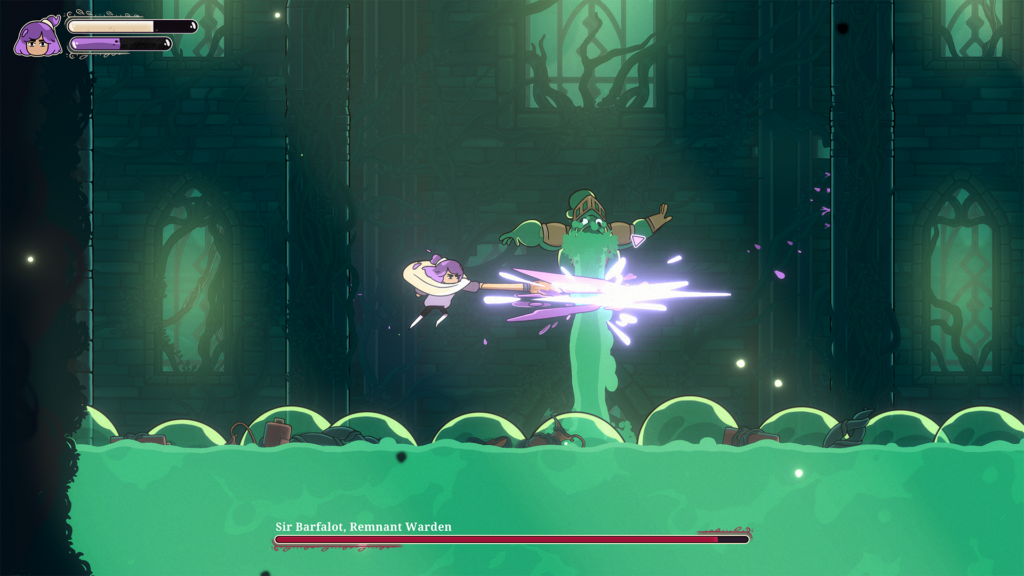
Combat is responsive, and the game builds itself around a clear sense of progression. You unlock abilities, revisit areas, and gradually open up the map in a way that feels familiar but is well executed.
There’s also a good balance in difficulty. It’s challenging enough to keep you engaged, especially in the boss fights, but it rarely becomes overwhelming. The first time I picked up Hollow Knight, it took me over a year to complete. I loved the game, but frustration would get the better of me, and I would take long breaks before my return. Constance never gives you that feeling that something is unattainable, like a fight can’t be won. Even when sections get demanding, they’re usually fair, and the game gives you the tools to improve rather than just punishing you.
It doesn’t try to overwhelm you with systems. It focuses on doing a few things well and building consistency around them.
For all its strong presentation and clear identity, the gameplay itself is quite familiar. If you’ve played a lot of Metroidvanias, you’ll recognise most of what’s here. Exploration, combat, and progression all follow patterns that the genre has established for years.
That’s not necessarily a problem, but it does mean the game doesn’t stand out mechanically in the same way it does visually or thematically.
Some smaller issues also add up over time. The difficulty curve isn’t always consistent. Some sections feel carefully tuned, while others spike unexpectedly or feel less polished.
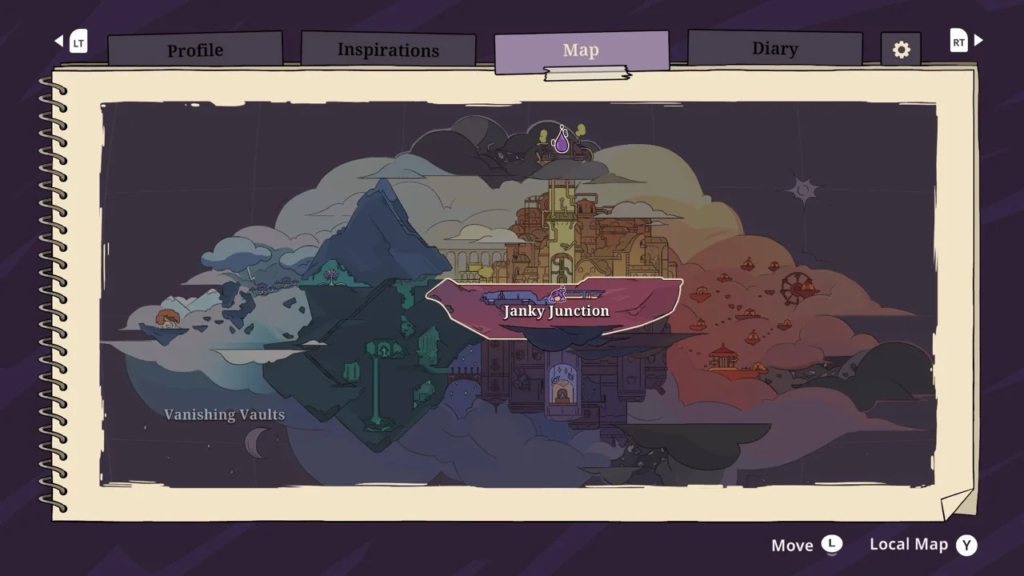
The map and navigation can often be unclear, which leads to moments where you’re not sure where to go next. In a genre built around exploration, that lack of clarity can interrupt the flow more than it should.
And while the story is compelling, it isn’t always easy to follow. It’s intentionally abstract, but that sometimes comes at the cost of emotional impact. There are strong ideas here, but they don’t always land as clearly as they could.
Even so, Constance succeeded in leaving an impression on me.
Partly because of how it looks and feels, but also because of its focus. It doesn’t try to be the biggest or most complex game in its genre, but it celebrates everything that fans want to see in a game like this. It’s relatively concise, something you can finish in 7 or 8 hours, and that works in its favour. It knows what it wants to explore, and it stays within that space even though at times I wish it would have pushed its boundaries a little further afield. In the end, Constance is a well-made, thoughtful Metroidvania that feels great to play, even if it occasionally plays things a bit too safe. It’s not a game that redefines the genre, but one that celebrates it. Constance is carefully put together, consistent in its direction, and clearly made with intention.

 VGT-Skyf