

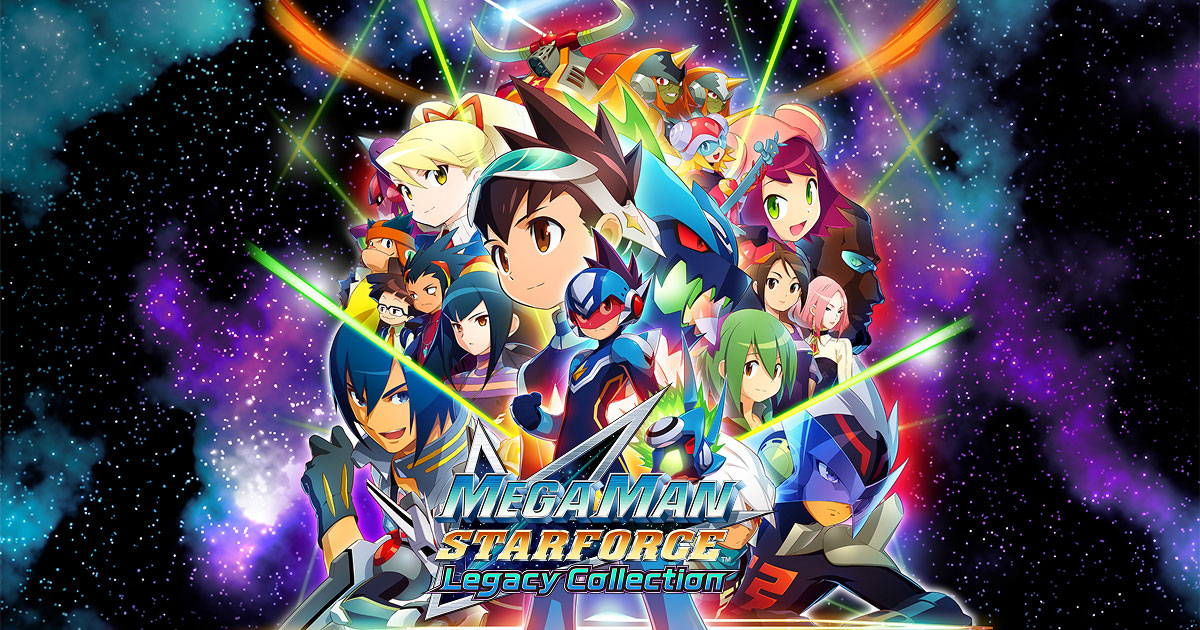
There’s something that fascinates me about revisiting a forgotten corner of a legendary franchise. Mega Man Star Force Legacy Collection isn’t Capcom wheeling out the franchise’s greatest hits. Instead it’s more like wheeling Megamans kind of weird cousin that didn’t really seem that fun to be around, yet still seemed to have loads of mates. In an era fueled by nostalgia, the motivation for Capcom to make this series their chosen chronicle to revisit remains an intriguing mystery. Nonetheless, Mega Man Star Force and its sequels are getting their second moment in the sun. So we are dusting off the cobwebs… and asking if it still deserves a place in 2026.
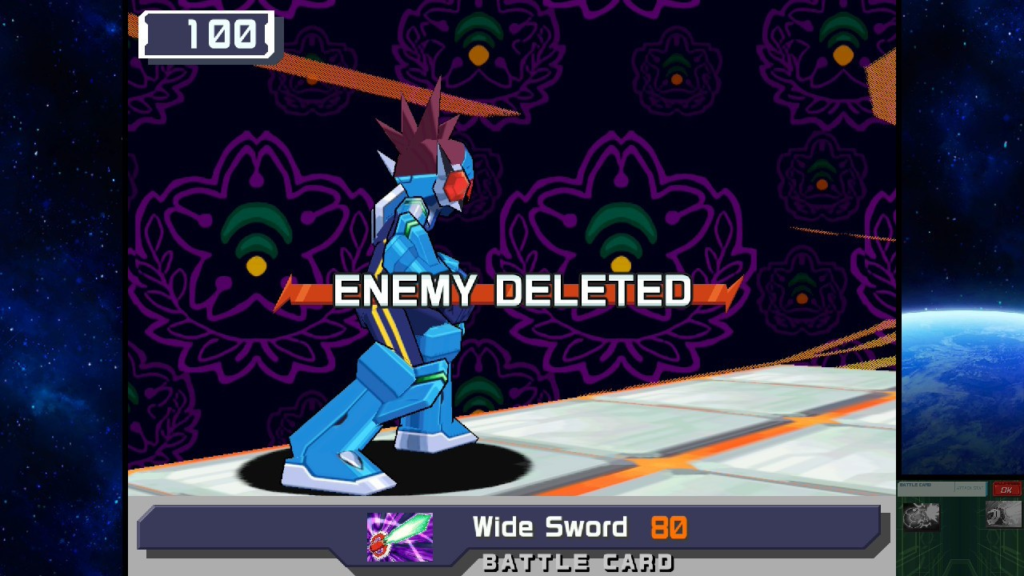
Let’s start with what works, because there are things to like here. This collection bundles together the entire Star Force trilogy, multiple versions and all, and presents them with the same care Capcom has shown in its other retro re-releases. Quality-of-life additions like adjustable encounter rates, faster movement, and online battles make a huge difference, smoothing out the original DS-era friction. On top of that, the core combat system (a hybrid of grid-based movement and card-driven attacks) still feels surprisingly engaging when it clicks.
There’s also something genuinely charming about Star Force’s tone. It leans heavily into that early-2000s anime energy, telling a story about isolation, friendship, and digital worlds that actually feel oddly more relevant today than they did back in 2006. It’s heartfelt in a way modern Mega Man rarely is.
But here’s the problem: time hasn’t been entirely kind.
If I could sum up my time with this collection in one word it would be repetition. Encounters feel far too frequent causing combat to feel overly simplistic. What starts as something that feels intriguing and rewarding becomes the same dance between you and the enemies over and over and over again. Because of this the game’s pacing often drags its heels. Maybe it is just a sign of the times? What once felt like a streamlined evolution of Battle Network now feels like a step sideways at best. There’s a sense that the systems hint at depth, but never quite deliver on it.
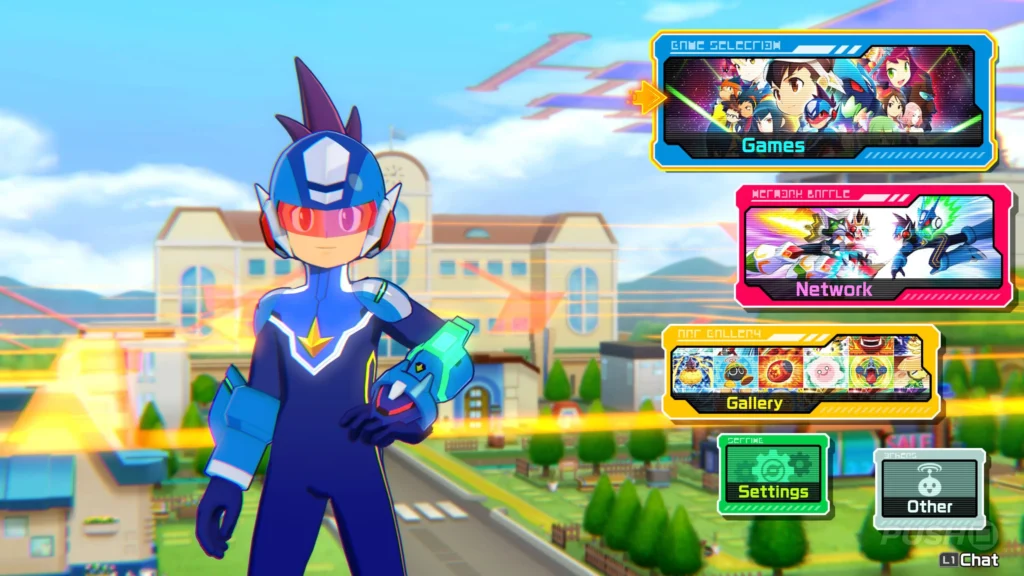
And while the collection does a solid job adapting the original dual-screen DS design, you can still feel that translation strain. Menus, navigation, even puzzle design occasionally remind you that this wasn’t built for modern hardware in the first place.
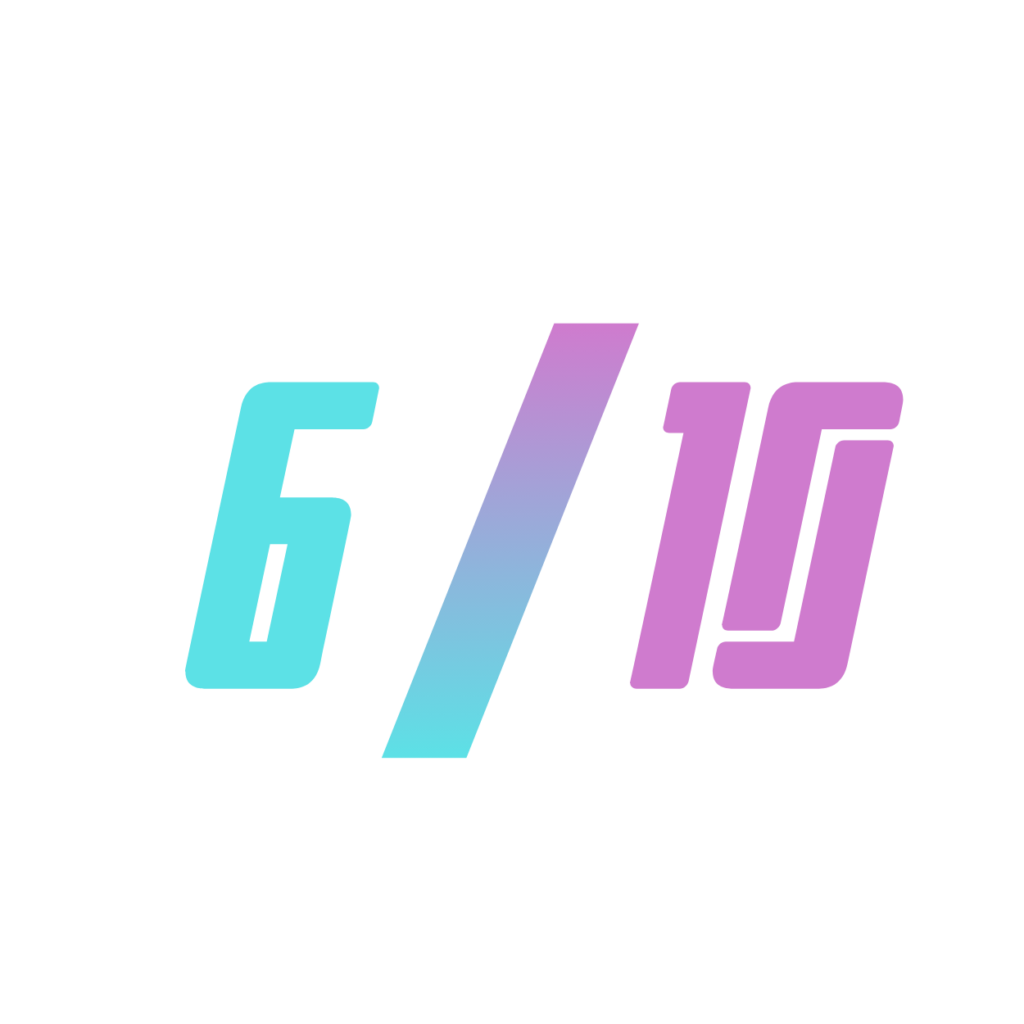
That leaves Star Force in an awkward spot. As a preservation piece, it’s excellent, arguably one of Capcom’s best collections yet. As a game to sink your time into in 2026, though? That depends heavily on your tolerance for old-school repetition and your attachment to the series. Preservation is one thing, but the need for this to actually be preserved is another.
If you’re already a fan of all things Mega Man. You will love it. There’s history here, and it’s worth experiencing.
If you’re not? This one is certainly not going to be the collection that changes your mind on Capcom’s little blue robo-human hybrid.
 VGT-Skyf