

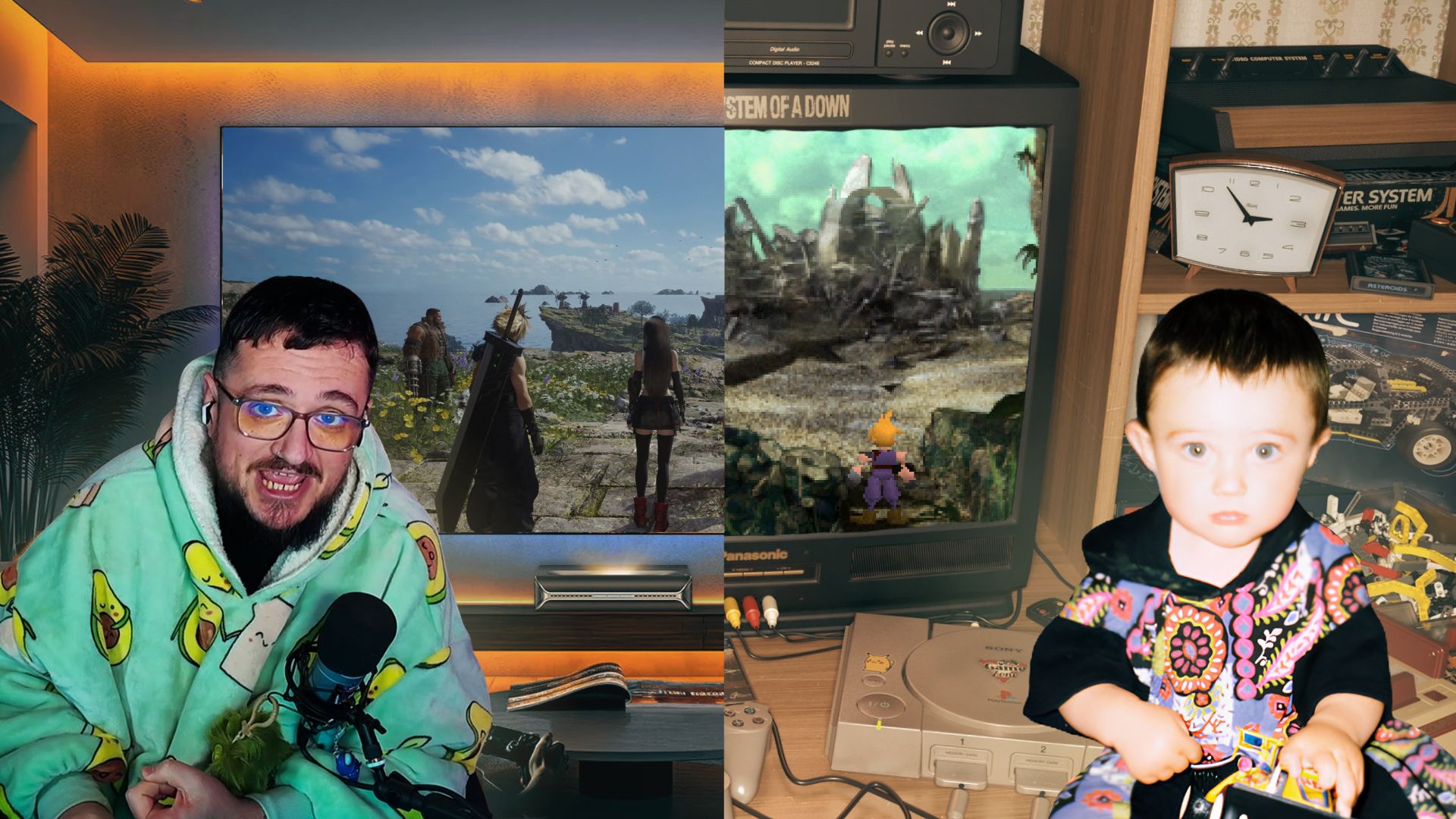
2026 is shaping up to be one of the biggest years for nostalgia in gaming history. Between The Legend of Zelda turning 40, Pokémon celebrating its 30th anniversary, and Persona hitting the same milestone, publishers are leaning heavily into remakes, remasters, ports, and anniversary editions.
But while gamers are happily replaying beloved classics, an increasingly loud debate is forming. One that will soon become impossible to ignore for video game publishers. Are remasters and remakes actually preserving gaming history, or is it stunting the growth of innovation within the industry?
It’s not a simple question.
On one hand, nostalgia has become one of gaming’s most powerful currencies. Many modern remakes are no longer lazy HD touch-ups. Many are complete reimaginings that introduce older titles to entirely new audiences and add new feature-rich experiences for those wanting to revisit their all-time faves. Nostalgia’s potent, poisonous success cannot be understated. Even Nintendo’s history of HD reskins is packed with successful examples, from Super Mario Galaxy 1 and 2, to Pokémon Fire Red and Leaf Green. The latter of which sold over 4 million units in just six weeks.
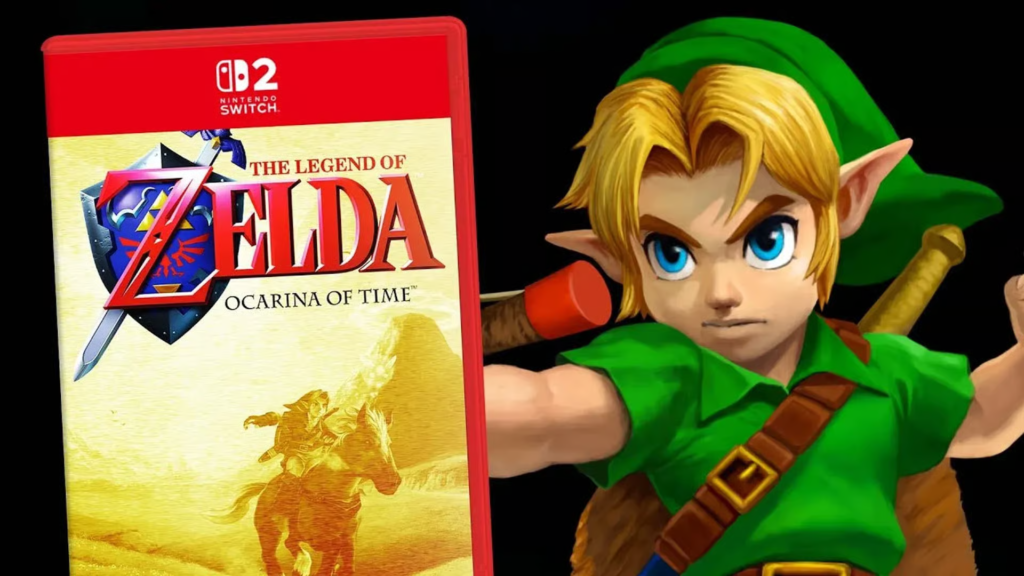
Rumours surrounding a potential The Legend of Zelda: Ocarina of Time remake have exploded in recent weeks, fuelled by Nintendo teasing “new titles beyond those already announced” for Switch 2. Ocarina of Time remains one of the most influential games ever made, but its original N64 version is now nearly three decades old. For younger players raised on 4K visuals and modern controls, revisiting these classics through remakes feels like it should make sense. Do I want to live in a world where the next generation of gamers hasn’t experienced Hyrule at its finest? No, I do not. Do I support the remake of one of the greatest games of all time? Yes, I do. Do I fear the developer’s ability to both modernise the game and recapture what made the game so magical in the first place? Yes, I absolutely do. So does our very own Skyfra. You can check out his very detailed thoughts on the Ocarina remake here:
Gaming has a unique problem compared to film or music: accessibility.
You can stream a movie from the 1970s instantly. But many classic games are trapped on ageing hardware, locked behind outdated storefronts, or simply impossible to play legally without expensive retro collecting. Remasters help solve that problem. They preserve not only the games themselves, but the conversations around them.
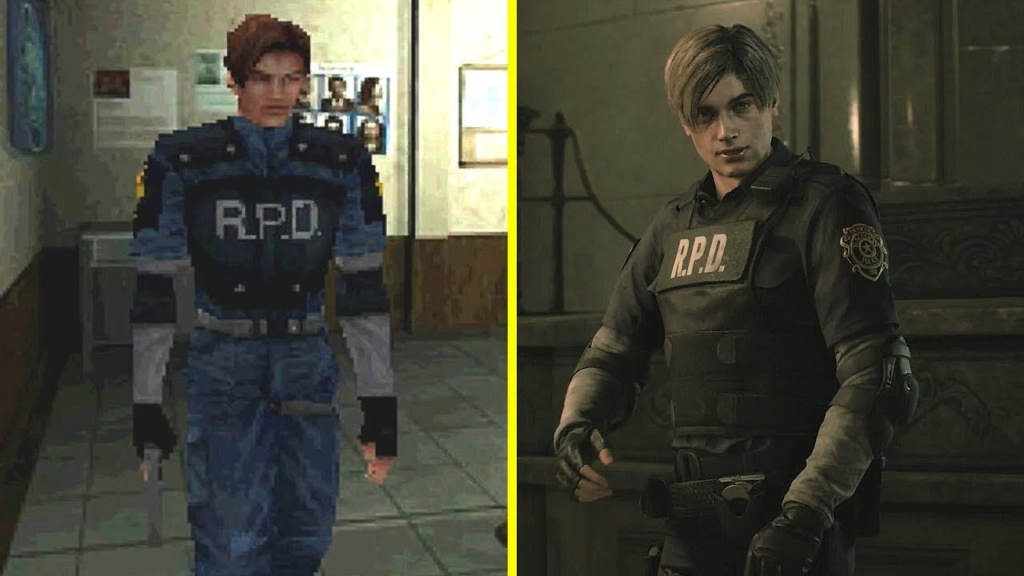
And when done well, they can be transformative. Bringing a new lease of life to games that were innovative for their time, but are difficult to revisit. Take the Resident Evil games as a perfect example. If you grew up on the tank controls and the fixed camera angles, you can revisit these games and enjoy them with minimal friction. A little “getting used to”, sure, but before long, it feels like you have stepped into a time machine as the muscle memory from your youth reignites in long-dormant corners of your brain. Yet, if I tried to get one of my 16-year-old music students to give it a spin, I would no doubt be met with, “What the f*ck is this? How do I change my skin? When’s the Charli XCX collab? The remakes of Resident Evil 2 and 3, in particular, revisit the majesty of the original titles with care and respect, whilst completely reinventing them to bring them into focus through the modern gaming lens. They still capture everything we loved about the originals, but make them accessible to people who have no doubt heard the legacy of these titles but were too young to experience them the first time around.
But there’s another side to this conversation.
For every inspired remake/remaster, countless others feel unnecessary. The Last of Us, remastered just one year after its launch. The GTA trilogy remaster is buggy, unstable and somehow uglier than the originals. Of course, Skyrim, again and again and again. Games with minor graphical upgrades sold at premium prices. Barely touched ports marketed as “definitive editions.” Entire showcase events are dominated by games we’ve already played three times before.
The concern isn’t really about remakes existing. It’s about what they replace.
As development costs continue to skyrocket, publishers increasingly favour safe investments over risky originality. A familiar logo guarantees attention. A nostalgic reveal trailer guarantees social media engagement. Investors love predictability. But creativity rarely thrives under safe conditions. Take Max Payne, for example. The remakes are in the works. I won’t lie, I’m excited to play them. But for every developer working on the Max Payne remakes, that’s a developer not working on Max Payne 4.
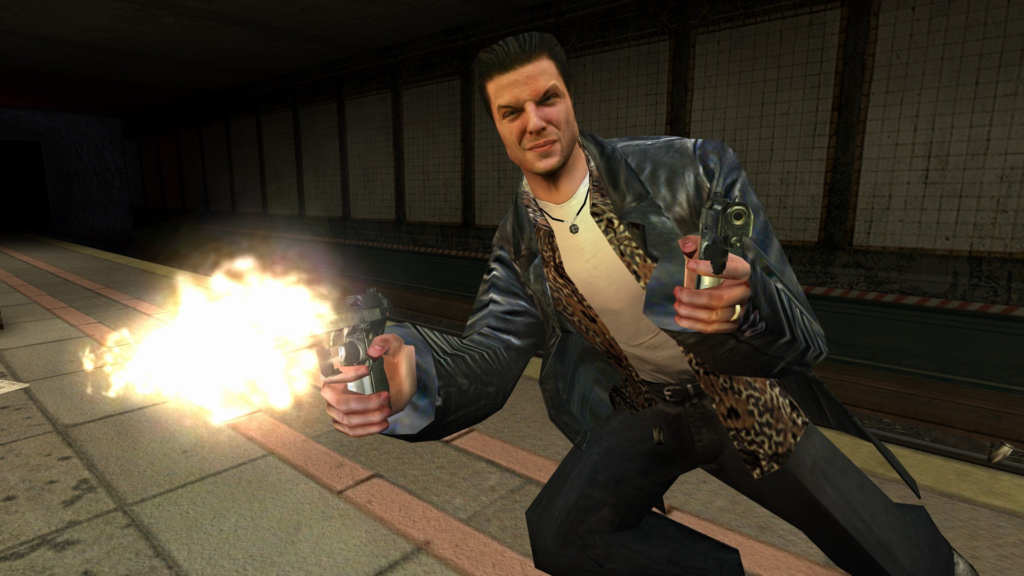
This seems to be becoming the playbook for rebooting old video game franchises. Remake the original and use that as a playtest to measure the overhaul hunger for the franchise to return. If the remake does well, maybe then we can look at a new instalment. This has its own set of problems, though. Where remakes don’t have to think of a new story, they don’t have to conceptualise new environments or enemy types; they do have to crack an arguably harder nut. Justice. They absolutely have to do the original justice. It sounds easy, but it’s not. Developers remaking games are being asked to fundamentally change the core foundations on which the originals were built to meet modern expectations while still recapturing the magic of their forebears. Well, sometimes that magic is captured in the very thing they are being asked to change.
Let’s use Splinter Cell as our guinea pig. We know a remake is officially in development. In my opinion, it’s going to be a tough one to get right. The fundamentals that the game was built on were stealth mechanics. Something that was in a period of evolution at the time of its release. Games like Metal Gear Solid and Splinter Cell were paving the way for modern stealth mechanics. That is one of the foundational reasons Splinter Cell was such a success. Especially since those who put their faith in the original Xbox as their console of choice didn’t have access to 2001’s Metal Gear Solid 2 (at least not until November 2002 with the MGS2: Substance release). This made Splinter Cell their stealth game of choice. All this is to say that the original Splinter Cell was a product of its time. A time which no longer exists. Sceptical as I am, I do retain some faith that Ubisoft can do the remake the justice it deserves, but let’s be honest, Ubisoft are hardly known for their quality of late. So let’s be pessimistic for a moment. Let’s say that Splinter Cell Remake releases and flops. What do you think happens to Sam Fisher then? I’ll tell you, he gets relegated back to the history books. Why? Because Ubisoft opted to take the perceived ‘safer’ option of revisiting the franchise’s history rather than starting with a clean slate and making something new.
Looking at it from this angle, it becomes easier to see how remakes and remasters may actually do the exact opposite of what they are intended to do. Instead of reinvigorating love for a dormant franchise, they may be the nail in the coffin that keeps them underground forever.
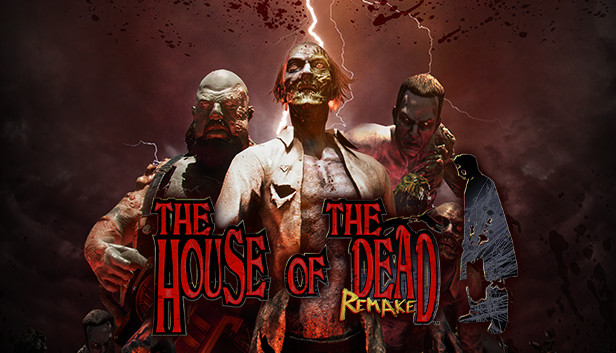
Example: House of the Dead. Second only to Time Crisis, House of the Dead might be the world’s most famous on-rails shooter. Instead of utilising modern technologies like VR or even building their own modern light gun hardware to make a new entry to the series. They opted to make what will go down as two of the worst remakes ever. As a result, the hunger for a new House of the Dead game is almost nonexistent. Certainly from a business standpoint, anyway.
I recently posted a video on the YouTube channel about the new Star Fox 64 remake. The fourth time that Nintendo have re-cycled Starfox 64 instead of releasing something new. I am certain I’m not alone in feeling conflicted about gaming’s growing obsession with revisiting the past instead of creating ambitious new experiences.
Look at the recent success of anniversary projects surrounding Pokémon. The franchise’s 30th celebrations have already expanded beyond simple nostalgia bait, introducing experimental new ideas like Pokémon Pokopia, a bizarre but fascinating life-sim spin-off that mixes cosy gameplay with post-apocalyptic storytelling. It’s proof that revisiting established worlds doesn’t always have to mean recycling old ideas.
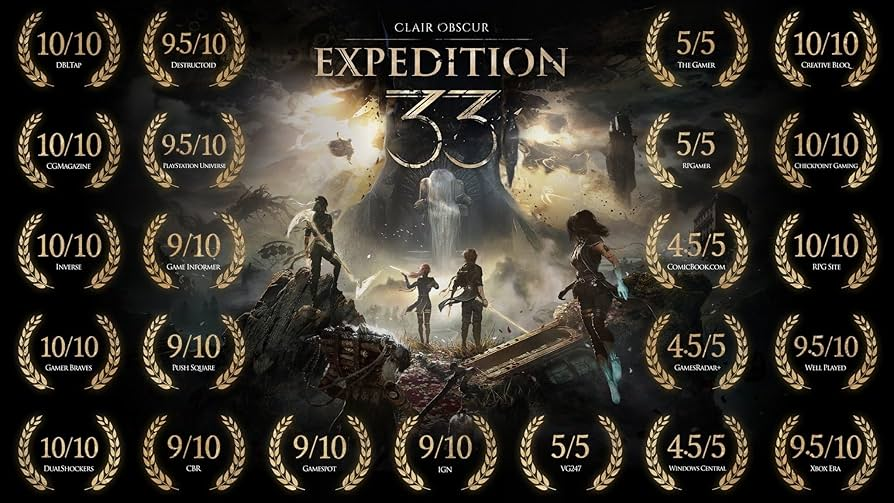
Some of gaming’s greatest modern successes came from studios taking risks. Elden Ring wasn’t nostalgia-driven. Neither was Clair Obscur: Expedition 33, a game that inadvertently made a mockery of gaming’s biggest AAA games last year by trumping them all with a generational masterpiece, unreliant on a household name to carry it to success. These projects succeeded because they offered something unfamiliar in an industry increasingly built around comfort food.
That’s ultimately the balance gaming needs to find.
Nostalgia isn’t inherently bad. In fact, preserving gaming history matters now more than ever. But the industry can’t survive on memory alone. A healthy gaming landscape needs both reverence for the past and excitement for the future.
I fear that publishers don’t understand this. Or at least they choose to overlook it.
If publishers can continue using nostalgia as a foundation for innovation instead of a substitute for it, then remasters can absolutely be valuable tributes rather than cynical cash-ins.
The danger comes when gaming stops looking forward altogether.
 VGT-Skyf